
 By
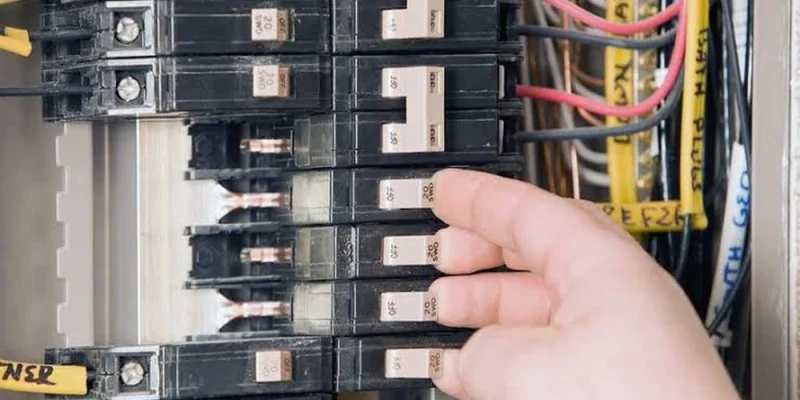
Plug a phone charger into a tired outlet and it tells you right away. The charger sags, falls out, or only works if you wedge it at an angle. Most homeowners treat that as a minor annoyance. It’s actually the first visible sign of a system that ages one part at a time, with the cheapest pieces failing first and the most expensive ones last.
That order matters in a city like McAllen. Central neighborhoods are full of homes built in the sixties and seventies, and newer subdivisions are now reaching their twenties. Summer attics get hot enough to bake wire insulation, and humidity works its way into every exterior box. Electrical parts don’t last forever here, and knowing which piece is wearing out saves a lot of guessing.
Plenty of homeowners type something as rushed as McAllen of electrical components replacement into a search bar the evening a breaker won’t reset. What usually helps most is a nearby crew that shows its license on its site. alphaelectrosolutions.com lists a master electrician and a Texas contractor license, works out of an office on North Sugar Road in Pharr just east of McAllen, and offers free estimates with upfront pricing. Breakers, outlets and full panels are a regular part of its work, using Square D, Eaton and Siemens components.
What follows starts at the wall and works back toward the street.
The Outlet That Stopped Gripping
Inside every receptacle are small spring contacts that hold a plug’s prongs. Years of plugging and unplugging, plus heat from heavy loads like space heaters and window units, slowly flatten those springs. A loose grip is more than a nuisance. A poor connection creates resistance, and resistance creates heat right at the face of the outlet.
The warning signs are easy to spot once you know them:
- Plugs that slide out under their own weight
- A faceplate that feels warm to the touch
- Brown or yellow discoloration around the slots
- Crackling or buzzing when something is plugged in
- An outlet that only works after a little jiggling
Replacing one isn’t just a straight swap anymore. Current code generally calls for tamper resistant receptacles in homes, and some locations need ground fault or arc fault protection when a device is replaced. An electrician will often upgrade the protection while the box is open.
Switches Give Their Own Hints
Wall switches wear out the same way, just less noticeably. A toggle that feels mushy, clicks without turning the light on, or makes the light flicker when you touch it has worn contacts inside. Dimmers have their own problem. Older dimmers built for incandescent bulbs often buzz or strobe when paired with LEDs, and they can run warm behind the plate. Replacing them with an LED-rated dimmer usually fixes both issues at once.
Protection Devices Run Out of Life
GFCI outlets in kitchens, bathrooms, garages and outdoors protect people from shock. But the sensing electronics inside them wear out, and older units can fail in a way that keeps the power flowing while the protection is gone. Pressing the test button once a month shows whether the device still trips. Newer GFCIs run self-tests, and many shut off power entirely when they reach end of life.
Outdoor GFCIs fail sooner in the Valley than inside the house. Humidity, sprinklers and driving rain get into covers that were never designed to be weatherproof while a cord is plugged in. An in-use bubble cover and a weather-resistant receptacle cost very little compared with chasing nuisance trips all summer.
Arc fault protection works at the breaker level and watches for the spark patterns that start wiring fires. The Electrical Safety Foundation International offers a short homeowner guide on how to tell whether your breakers include arc fault protection, which is worth a look before any panel conversation.
Breakers Can Wear Out Without Tripping
A breaker that trips is often doing its job. The real concern is one that doesn’t. Breakers contain a mechanism that weakens after years of heat cycles, and a few kinds of failure are worth taking seriously.
Warm or hot breakers. A breaker that feels hotter than its neighbors usually has a loose connection at the terminal or where it clips onto the bus bar.
Frequent tripping on a normal load. If a circuit that ran the same appliances for years suddenly starts tripping, the breaker may be weakening, or the circuit may have a new fault worth tracing.
Breakers that won’t stay on. If a handle snaps back immediately after a reset, something downstream is shorted or the breaker itself has failed.
Burn marks or a burning smell at the panel call for an electrician the same day, not at some convenient time next week.
The Panel Itself Has a Lifespan
At some point the question moves from single breakers to the whole box. Some older panels in South Texas homes, especially certain Federal Pacific Stab-Lok and Zinsco models, have long-documented reputations for breakers that may not trip when they should. Insurers sometimes ask about them during underwriting.
Capacity matters just as much. A 100 amp panel that was fine for a home with a single window unit struggles once central air, a second refrigerator, a pool pump and an EV charger are added. Double-tapped breakers, where two wires share one terminal, and tandem breakers squeezed into every open slot are signs that a panel ran out of room long ago. Corrosion inside the panel can also creep in from humid air drawn through gaps where cables enter, especially on exterior walls.
The Hardware Outside the Wall
The last stretch is the part homeowners rarely think about. In McAllen, AEP Texas owns the meter itself, but the meter base and service entrance cable leading to it usually belong to the homeowner. Sun damage cracks old cable jackets, and a weathered meter base can let water run straight down into the panel below. Replacing them means coordinating a disconnect with the utility, so they’re often handled together with a panel upgrade.
That’s also the point where whole-home surge protection comes in. Recent code editions require it when a dwelling’s service is replaced. Surge devices work by sacrificing themselves, so one that has absorbed a few summer lightning strikes may have nothing left even though it looks fine. Most models have an indicator light that shows whether they’re still working.
Reading the House as a Whole
Each of these parts tells you something about the rest. A single scorched outlet might just be a cheap device that wore out. Warm outlets in several rooms, plus a breaker that runs hot and a panel full of tandems, point to something bigger. Replacing the small part when it first acts up is cheap. Ignoring the pattern lets it build until the biggest repair is the only option left.



Comments