
 By
By 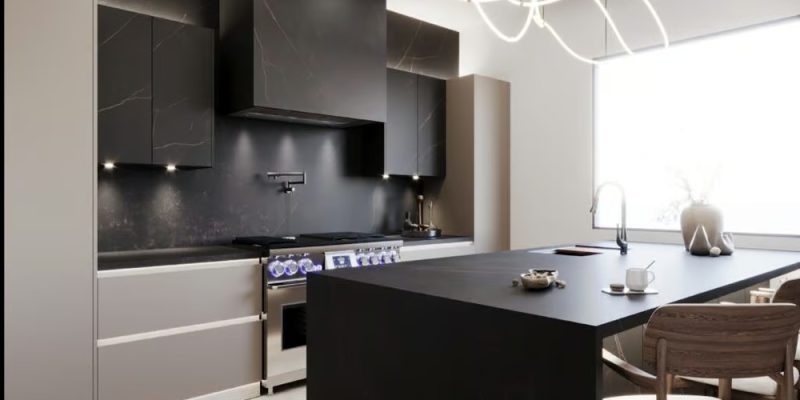
A kitchen reflects daily habits and taste. Buyers also judge kitchens with care. So, design choices affect future value and present comfort. Many owners face a clear tension here. Personal style may clash with market signals. Data helps clarify this balance. The goal is not strict rules but informed choices. A uniform look often draws wider appeal. Yet unique touches can feel more satisfying. The question remains how far to go. This article explores that balance with clear reasoning.
Market Signals and Buyer Expectations
Buyers scan kitchens for harmony and order. Clean lines suggest care and quality. The market often rewards cohesive layouts. Sales data shows faster deals with consistent finishes. But strong trends shift over time. A neutral palette tends to hold value longer. Mixed styles can confuse first impressions. Appraisers note uniformity as a positive trait. Listings with matched sets gain more clicks. The phrase kitchen appliance packages appears in many listings. That term signals completeness and ease for buyers.
Personal Preference and Daily Use
Personal taste shapes daily comfort in the space. A favorite color can lift mood during chores. Unique fixtures can express identity with clarity. But bold choices may limit broad appeal. Some owners accept that trade off with intent. Daily use may matter more than future resale. The kitchen hosts many routine tasks. Small joys can add real value to life. A custom layout can fit specific cooking habits. However unusual layouts can puzzle future buyers.
Cost Patterns and Return Signals
Cost data shows uneven returns across upgrades. High end finishes do not always pay back fully. But mid-range updates often recover more value. Uniform cabinets and hardware tend to score well. Mixed metals can date a space quickly. Energy efficient units add quiet value over time. Consistent brands can ease maintenance concerns. Buyers read that as lower risk. The resale premium often links to perceived ease. So coherent design can reduce buyer hesitation. Sometimes simple updates deliver strong signals. Paint and lighting can unify without high cost.
Design Cohesion and Visual Flow
Visual flow guides the eye across the room. Repetition of tones builds calm and order. Matching fronts create a steady rhythm. But subtle contrast can add depth and interest. The key lies in controlled variation. A single accent can anchor the design. Too many accents can fragment the space. The eye prefers patterns that feel intentional. Designers often limit the palette to a few hues. Texture can vary while color stays steady. So, cohesion does not mean monotony. It means clear hierarchy and balance.
Timing Strategy and Exit Planning
Timing affects how choices translate to value. Short term owners may favor safe designs. Long term owners can lean into personal taste. Market cycles also influence buyer preference. But broad appeal remains a stable anchor. Pre-sale staging can adjust minor mismatches. Swapping hardware can refresh the look quickly. Coordinated sets can be added before listing.
Conclusion
A clear strategy helps resolve the tension. Data favors cohesive kitchens for resale. Personal preference supports daily satisfaction. The best path blends both with care. Choose a calm base and add light accents. Keep major elements consistent and flexible. Plan upgrades with an exit in mind. So, value and comfort can coexist in one space.







Comments